SERVICES
Mould Remediation
Professional mould remediation for properties affected by visible mould and moisture-related problems.
GET A FREE QUOTE
100% local
25+ years experience
INSURED
Fully Licensed
What Is Mould Remediation?
Mould remediation involves addressing visible mould growth and the conditions that allow it to develop. Mould commonly grows in damp or poorly ventilated areas, including walls, ceilings, carpets and other indoor materials. Remediation focuses on cleaning affected areas and dealing with the moisture-related conditions contributing to the problem. NSW Health notes that mould can return if the underlying cause of moisture is not addressed.
Why Choose Hygenic Clean Carpet Cleaning for Mould Remediation
Restoration Background
Hygenic Clean Carpet Cleaning has more than 17 years of experience across carpet cleaning, upholstery cleaning and restoration. Mould remediation can involve affected carpets, fabrics and other areas where moisture has contributed to mould growth, making restoration experience relevant when assessing the cleaning requirements of an affected property.
Experience With Moisture-Related Cleaning
The business also provides water damage restoration, giving its cleaning and restoration work a connection to properties affected by water and moisture. Addressing moisture is an important part of managing mould because mould growth can develop when materials remain damp or are not dried properly.
17 Years in the Industry
The business was started four years ago after more than 17 years of work in the carpet cleaning and restoration industry. This provides a long-established background in cleaning and restoration services, including work involving carpets, upholstery and property-related cleaning requirements.
Friendly and Honest Service
Customer satisfaction is an important part of the business, with repeat customers described as vital to the company. The business approach is based on friendly and honest service, giving customers a straightforward point of contact when dealing with a property that requires mould-related cleaning and restoration.
What Mould Remediation Covers
Mould remediation can involve cleaning visible mould from affected areas and addressing materials where mould has developed because of damp conditions. Mould may occur on walls, ceilings, carpets, upholstery and other indoor surfaces. The work can involve considering the condition of affected materials and whether they can be cleaned and dried properly. NSW Health advises that absorbent materials contaminated with mould may require professional cleaning or replacement where appropriate.
Signs You Need Mould Remediation
Visible mould is the clearest sign that an affected area requires attention. Other signs can include dark or discoloured patches on walls, ceilings, carpets or other materials, particularly where there has been previous water damage, condensation or poor ventilation. A persistent damp environment can also contribute to mould growth. NSW Health identifies moisture, poor ventilation and water damage as factors associated with indoor mould growth.
DISCOVER WHAT OUR CUSTOMERS HAVE TO SAY ABOUT US
REVIEWS
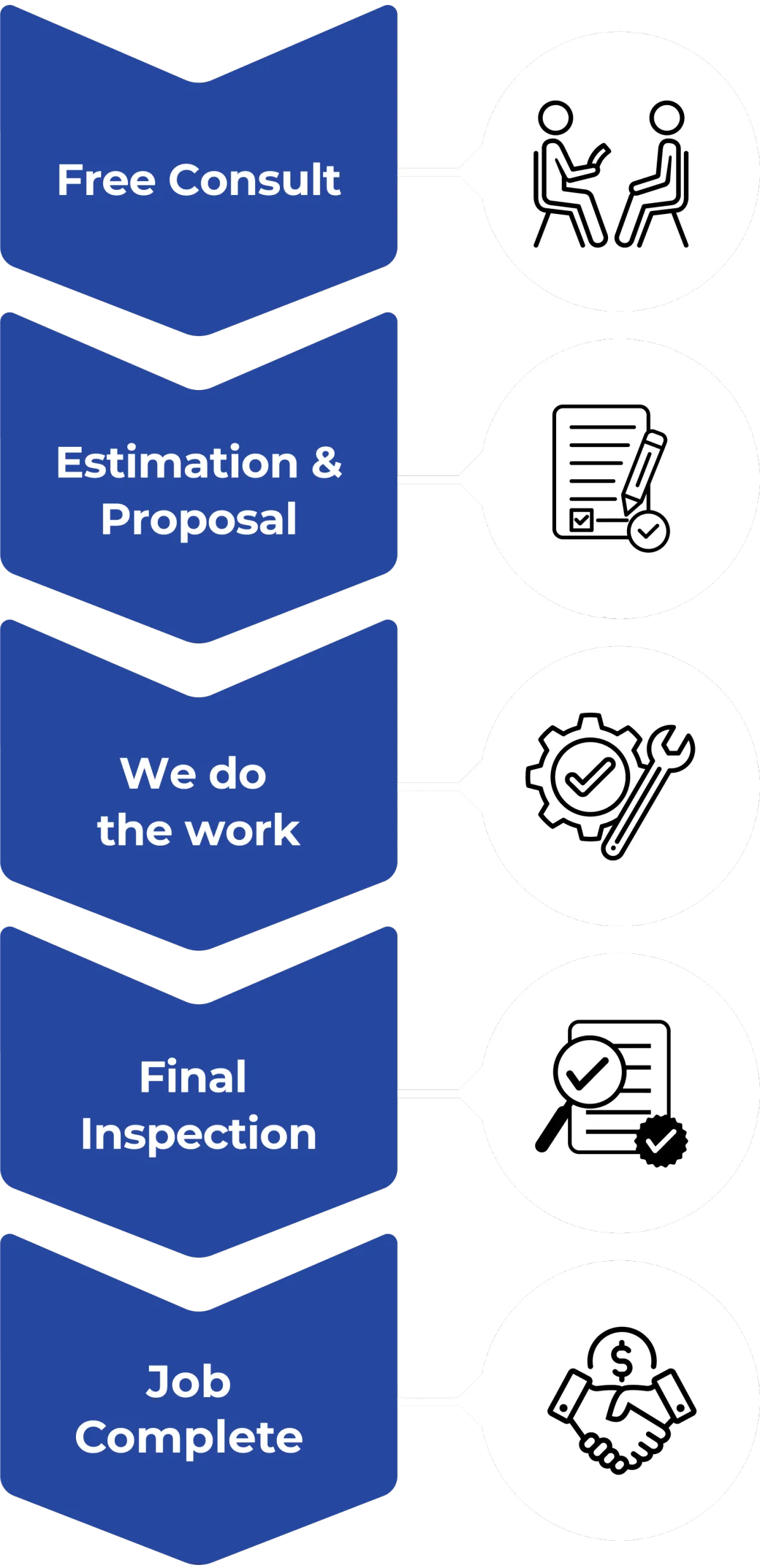
our process
A simple process from first call to finished job.

SERVICE AREAS
proudly serving CAMPBELLTOWN

frequently asked questions
Find clear answers to the questions we’re asked most often.
How does the repair process work?
Once you contact Appliance Repair Solutions, a technician will discuss the issue with you and arrange a suitable inspection time. The problem is diagnosed on site, and clear advice is provided before any repair work begins. The goal is to complete repairs efficiently while keeping communication straightforward throughout the process.
How quickly can I book a technician?
Service availability depends on your location and the type of appliance issue. In many cases, same day or next day bookings may be available across Sydney. The team aims to respond promptly and provide flexible scheduling where possible.
Do you provide quotes before starting repairs?
Yes. After assessing the appliance and identifying the fault, you will receive clear information about the recommended repair and expected costs. This helps customers make informed decisions before approving any work.
What should I do before the technician arrives?
It helps to clear access around the appliance and make note of any error codes or unusual behaviour. If possible, have the appliance model number available as this can assist with diagnosing the issue faster. The technician will guide you through anything else needed when confirming the booking.
What should I do before the technician arrives?
It helps to clear access around the appliance and make note of any error codes or unusual behaviour. If possible, have the appliance model number available as this can assist with diagnosing the issue faster. The technician will guide you through anything else needed when confirming the booking.
proudly serving Baulkham Hills
Homebush
Gladesville
Leichhardt
North Sydney
Mosman
Box Hill
Marsden park

Trusted & Accredited Plumbers
FREQUENTLY ASKED QUESTIONS
Your questions answered
What causes mould to grow inside a property?
Mould requires moisture and suitable material to grow. Common contributing factors include water leaks, condensation, flooding, damp materials and inadequate ventilation. If moisture remains unresolved, mould can return after cleaning. Identifying and addressing the source of dampness is therefore an important part of dealing with an ongoing mould problem.
Can mould grow on carpet?
Yes. Mould can develop on carpet when the material remains damp or is exposed to moisture for an extended period. NSW Health identifies carpet among indoor materials where mould can grow. Water-damaged carpet should be thoroughly cleaned and dried, while materials that cannot be properly cleaned may need to be replaced.
Can mould come back after it has been cleaned?
Mould can return when the moisture source remains. Cleaning visible mould addresses the affected area, but ongoing dampness, leaks or poor ventilation can continue to create conditions suitable for further growth. The underlying moisture problem should therefore be considered as part of addressing recurring mould.
Should mould be removed as soon as it is noticed?
Visible mould should be addressed rather than left to develop further. NSW Health recommends removing mould when it appears and reducing dampness and moisture in the property. Where affected materials cannot be completely cleaned and dried, replacement may be necessary depending on their condition.
Does mould remediation include mould on carpets?
It can include affected carpet where the material is suitable for cleaning. Carpet can develop mould when exposed to moisture, and NSW Health notes that contaminated absorbent materials such as carpet may require professional cleaning or replacement depending on their condition.
READY TO take the next step?
get a free quote TODAY!
Hygenic Clean Carpet Cleaning
17 Greengate Rd, St Helens Park NSW 2560