BLOG
A Complete Guide to Carpet Cleaning and Maintenance for Homes and Businesses in Campbelltown
Carpet maintenance in Campbelltown involves more than removing visible stains. Regular foot traffic, dust, spills, moisture and poor drying can gradually affect carpet fibres, backing and underlay. In homes, carpets are exposed to everyday activity from residents, children and pets. In workplaces, entrance areas, corridors and shared rooms can accumulate soil and debris at a much faster rate.
A suitable maintenance routine combines regular vacuuming, prompt treatment of spills, appropriate cleaning methods and careful moisture management. The correct approach also depends on the carpet's fibre, backing, underlay and level of use. The Carpet Institute of Australia notes that AS/NZS 3733:2018 provides recognised guidance for carpet cleaning and maintenance in residential and commercial buildings.
How everyday traffic affects carpet in Campbelltown properties
Dirt is commonly carried indoors on footwear and settles between carpet fibres. Fine particles can work deeper into the pile as people walk across the surface, where they act as an abrasive against the fibres. Areas around entrances, hallways, stairs and frequently used workspaces therefore tend to show wear before less-used parts of a property.
Vacuuming helps remove loose soil before it becomes embedded. YourHome recommends regular carpet cleaning and advises that vacuuming frequency and equipment should be appropriate for the conditions of the carpet. High-efficiency filtration can also help reduce the amount of fine dust released back into indoor air.
Doormats at entrances can reduce the amount of outdoor material brought inside. Commercial properties may require more frequent attention to entrance zones because of the volume of people moving through them.
Choosing a cleaning method for different carpet types
There is no single cleaning method suitable for every carpet. Fibre type, construction, backing, underlay and previous treatments all affect how much moisture can be used and how the carpet should be dried.
Manufacturer care instructions should be checked before cleaning. The Carpet Institute recommends following AS/NZS 3733:2018 and the manufacturer's maintenance requirements, particularly where a carpet warranty depends on specified cleaning practices.
Low-moisture cleaning can be appropriate for situations where rapid drying is required, while deeper corrective cleaning may be needed when soil has accumulated within the pile. The choice should be based on the carpet construction and condition rather than simply selecting the strongest available cleaning process.
Over-wetting is a significant concern. Excess moisture can contribute to musty odours, mould growth, browning from the backing and, in severe cases, shrinkage or damage. CHOICE identifies over-wetting as a common problem with carpet cleaning, particularly where excessive water remains in the carpet or underlay.
Removing stains before they become permanent
Spills should be dealt with promptly rather than allowed to dry into the carpet. The first step is usually to remove excess liquid by blotting rather than aggressively rubbing the affected area. Rubbing can spread a spill and damage or distort carpet fibres.
Different substances require different treatment. Water-based spills, oily substances, food residues and coloured liquids do not behave in the same way, so using a strong general-purpose chemical is not necessarily the safest approach.
Cleaning products should also be tested according to the carpet manufacturer's recommendations. Some fibres, dyes and backing materials can react adversely to unsuitable chemicals. A stain that has changed colour because of a chemical reaction may be considerably harder to correct than the original spill.
Moisture, mould and damp carpet
Moisture is one of the most important issues to control in carpeted buildings. NSW Health states that mould can grow in damp areas, including carpets, particularly where moisture accumulates and ventilation is inadequate.
Campbelltown properties can experience changing moisture conditions throughout the year. Indoor condensation can also contribute to dampness when humid air meets cooler surfaces. YourHome explains that condensation risk is influenced by climate, building construction, ventilation and how a property is used.
Wet carpet should therefore be dried thoroughly rather than simply cleaned and left to dry slowly. Leaking plumbing, roof leaks, blocked drainage and other sources of water need to be addressed at the same time. NSW Health recommends completely cleaning and drying water-damaged carpets and notes that materials that cannot be adequately cleaned and dried may need replacement.
For workplaces, SafeWork NSW recommends prompt drying after water damage and identifies ventilation, moisture control and timely repairs as important measures for preventing mould growth.
A practical maintenance routine for homes and workplaces
A useful carpet maintenance routine starts with regular vacuuming, particularly in high-traffic areas. Entrance mats should be kept clean so they continue capturing soil rather than transferring it onto the carpet.
Spills should be addressed as soon as possible using a method suitable for the material involved. Carpet should also be monitored for persistent dampness, musty smells, discolouration and visible mould. These signs can indicate that moisture is reaching the carpet, backing or underlay rather than being a simple surface-cleaning issue.
Professional cleaning should be scheduled according to carpet type, traffic levels and manufacturer recommendations rather than following one fixed interval for every property. Residential bedrooms with limited traffic have different cleaning requirements from busy office corridors or commercial reception areas.
Regular maintenance also makes it easier to identify problems early. A carpet that looks clean on the surface can still contain embedded soil or moisture beneath the pile. Maintaining the carpet according to its construction and the relevant Australian guidance helps reduce avoidable damage and supports a longer usable life.
DISCOVER WHAT OUR CUSTOMERS HAVE TO SAY ABOUT US
REVIEWS
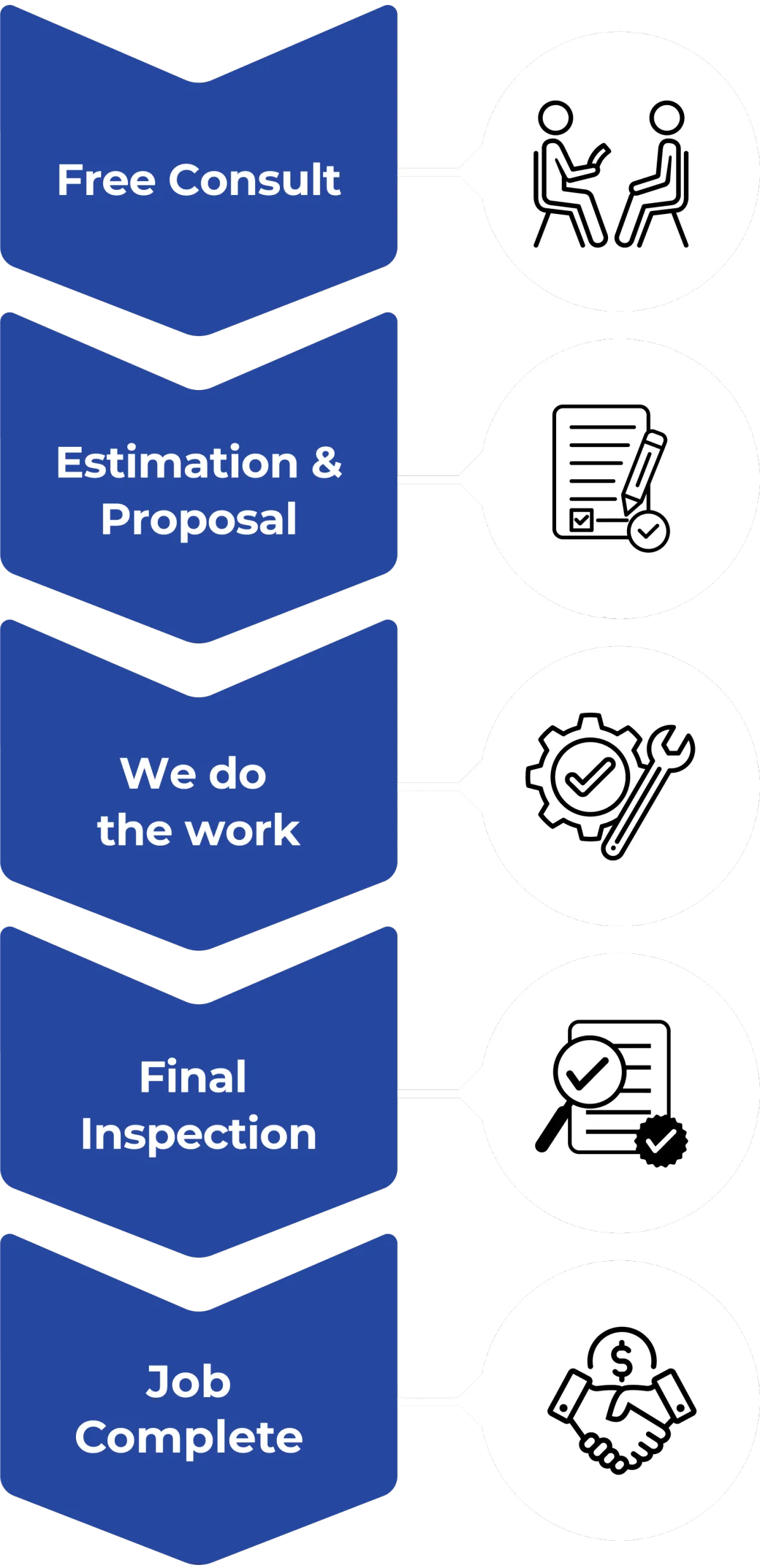
our process
Our process is simple and only contains a few simple steps

SERVICE AREAS
proudly serving CAMPBELLTOWN

READY TO take the next step?
get a free quote TODAY!
Hygenic Clean Carpet Cleaning
17 Greengate Rd, St Helens Park NSW 2560