BLOG
Understanding Mould on Carpets and Upholstery: Safe Remediation Considerations for NSW Property Owners
Mould on carpet or upholstery is usually a sign of a moisture problem rather than simply a cleaning problem. In NSW homes, moisture can come from plumbing leaks, roof leaks, condensation, flooding, poor ventilation or water that has not been removed properly after an incident.
NSW Health states that mould can grow indoors in wet or moist areas with inadequate ventilation, including carpets, particularly carpets with jute backing. Completely drying water-damaged carpets and building materials is one of the key measures recommended to control mould growth.
For property owners in Campbelltown and surrounding areas, understanding where moisture is coming from and how affected materials should be handled is essential when dealing with mould.
Why Carpet and Upholstery Can Retain Mould-Friendly Moisture
Carpet and upholstered furniture are absorbent materials. Moisture can move below the visible surface and remain within backing, padding, underlay or upholstery fillings.
A carpet may therefore appear only slightly affected while moisture remains underneath. Furniture positioned against walls can also restrict airflow and create cooler, poorly ventilated areas where condensation and dampness persist.
NSW Health recommends repairing water leaks and plumbing problems, improving ventilation and completely drying water-damaged carpets and building materials. Materials that cannot be cleaned and dried completely may need to be discarded.
This means removing visible mould without fixing the moisture source does not address the underlying problem. If a leaking pipe, roof or gutter continues introducing moisture, mould can return after cleaning.
Recognising Mould Beyond Visible Black Spots
Mould does not always appear as an obvious black patch. It can present as discolouration, spotting or a persistent musty or earthy odour.
SafeWork NSW identifies musty smells, visible mould, discolouration on walls, floors or ceilings, flooding, water leaks and condensation as situations that can warrant investigation for mould.
In carpeted rooms, attention should be given to edges, areas beneath furniture, locations near external walls and sections affected by previous leaks. Upholstered furniture should also be checked around seams, underneath cushions and along areas where the fabric has remained damp.
An odour can indicate a moisture problem, but it does not establish the extent or source of mould by itself. NSW Health advises that indoor surfaces should be inspected to determine the extent of contamination rather than relying on symptoms alone.
Drying Is Part of Mould Remediation
Moisture creates conditions that can support mould and mildew growth. NSW Health advises property owners to control moisture and dampness, repair leaks and completely clean and dry water-damaged carpets and building materials.
A musty smell is one possible indication that moisture remains in a carpeted area. Other signs include persistent dampness, visible mould growth, discolouration or changes in the condition of carpet and underlying materials.
The source of the moisture also needs to be addressed. Cleaning a carpet without fixing an active plumbing leak, roof leak or other water source can leave the same problem recurring.
Mould does not always originate from something spilled directly onto the carpet. Moisture can enter through building materials, condensation, leaks or damp areas beneath flooring.
Ventilation and Air Movement Make a Difference
Cleaning mould without properly drying the affected material can allow the problem to return.
SafeWork NSW recommends addressing water damage promptly and states that wet areas should be dried as soon as possible. Its workplace guidance identifies ventilation, fans, wet vacuums, dehumidification and suitable air conditioning settings as measures that can assist drying.
For carpet, drying needs to include the material beneath the visible pile. If the underlay or subfloor remains damp, the carpet can be exposed to continued moisture even after the surface has dried.
NSW Health also recommends opening windows when weather permits to improve cross ventilation and using exhaust fans in areas such as bathrooms, kitchens and laundries.
Where flooding has occurred, NSW Health advises beginning the drying process as soon as floodwater recedes and checking for trapped water in wall and floor cavities.
Cleaning Mould Requires Consideration of the Material
The appropriate cleaning method depends on what has been affected and how extensive the contamination is.
NSW Health advises that routine mould clean-up on suitable surfaces can involve mild detergent or a diluted vinegar solution. It also states that absorbent materials such as carpet may require professional cleaning or replacement if they are contaminated with mould.
Carpet and upholstery cannot always be treated like hard, non-porous surfaces. Moisture and contamination can penetrate into backing, padding and other internal materials.
SafeWork NSW recommends assessing the size and extent of mould damage and identifying the source of the water or moisture problem. Its workplace guidance also states that porous materials such as carpet that cannot be readily cleaned, have remained wet for more than 48 hours or have visible mould growth may need to be discarded.
The 48-hour period is a practical drying guideline rather than a guarantee that mould will or will not develop. Conditions such as temperature, humidity, material type and the amount of moisture can affect the outcome.
NSW Does Not Have a Specific Residential Mould Remediation Standard
Property owners sometimes assume there is one NSW licensing standard or mandatory residential mould-remediation procedure that applies to every mould-cleaning job. The regulatory position is more specific.
NSW Health provides public health guidance on mould but does not regulate mould remediation standards or the mould testing industry. The NSW Government has also stated that SafeWork NSW does not set specific standards for indoor air quality or mould remediation, although workplace health and safety duties still apply to businesses and workers.
For workplaces, SafeWork NSW requires risks to workers to be managed under the NSW work health and safety framework. Its mould guidance includes controls such as appropriate respiratory protection, protective clothing, hygiene procedures and containment considerations for remediation work.
For NSW property owners, the practical focus remains on identifying the moisture source, assessing affected materials, removing or cleaning contamination appropriately and ensuring the area is thoroughly dried.
Mould on carpet or upholstery should therefore be treated as both a moisture and material problem. A lasting result depends on dealing with the cause of dampness as well as the visible mould, while recognising when absorbent materials can be cleaned and when they may no longer be suitable for restoration.
DISCOVER WHAT OUR CUSTOMERS HAVE TO SAY ABOUT US
REVIEWS
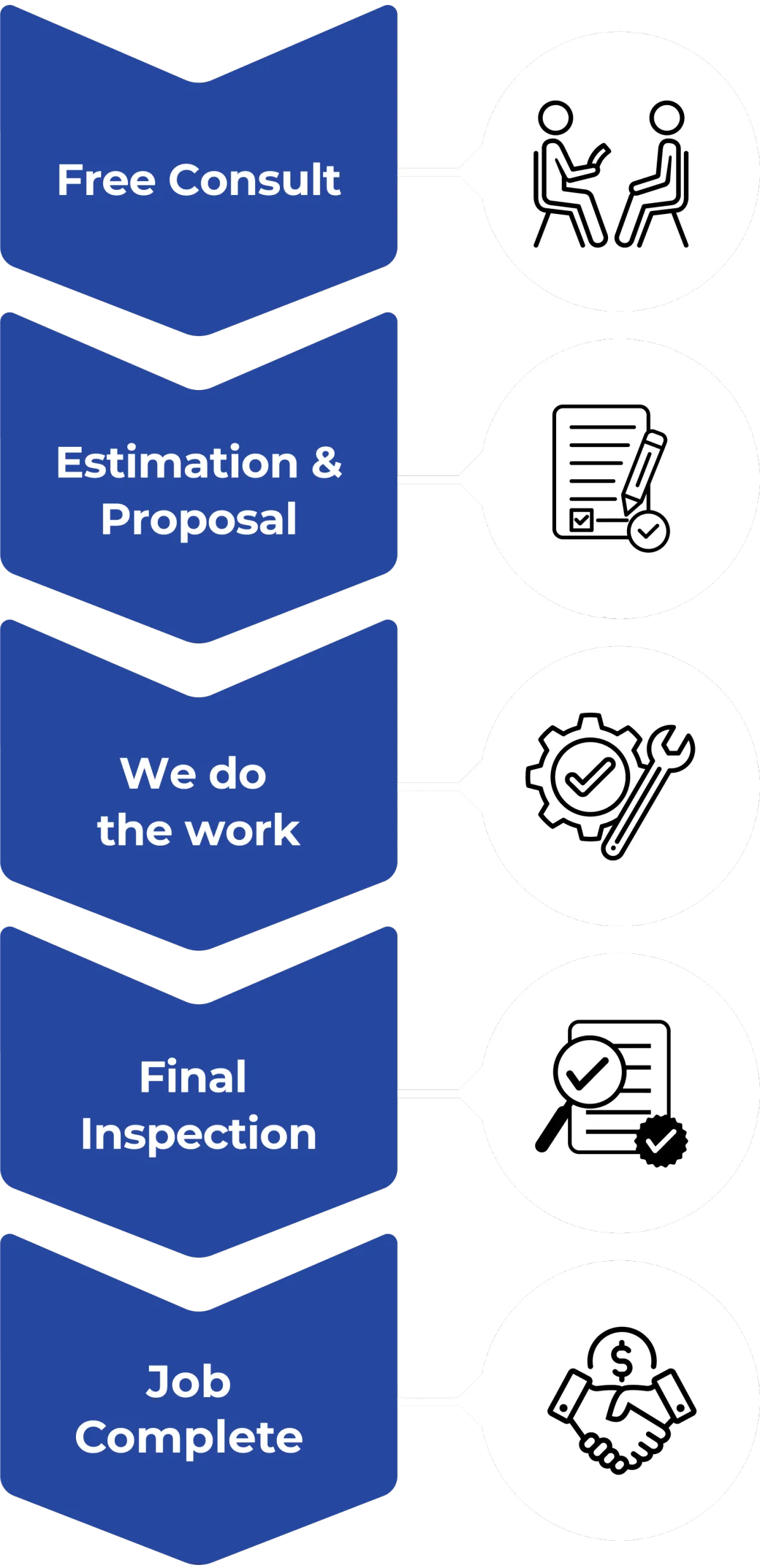
our process
Our process is simple and only contains a few simple steps

SERVICE AREAS
proudly serving CAMPBELLTOWN

READY TO take the next step?
get a free quote TODAY!
Hygenic Clean Carpet Cleaning
17 Greengate Rd, St Helens Park NSW 2560